
Blog

The Many Symptoms of Anxiety

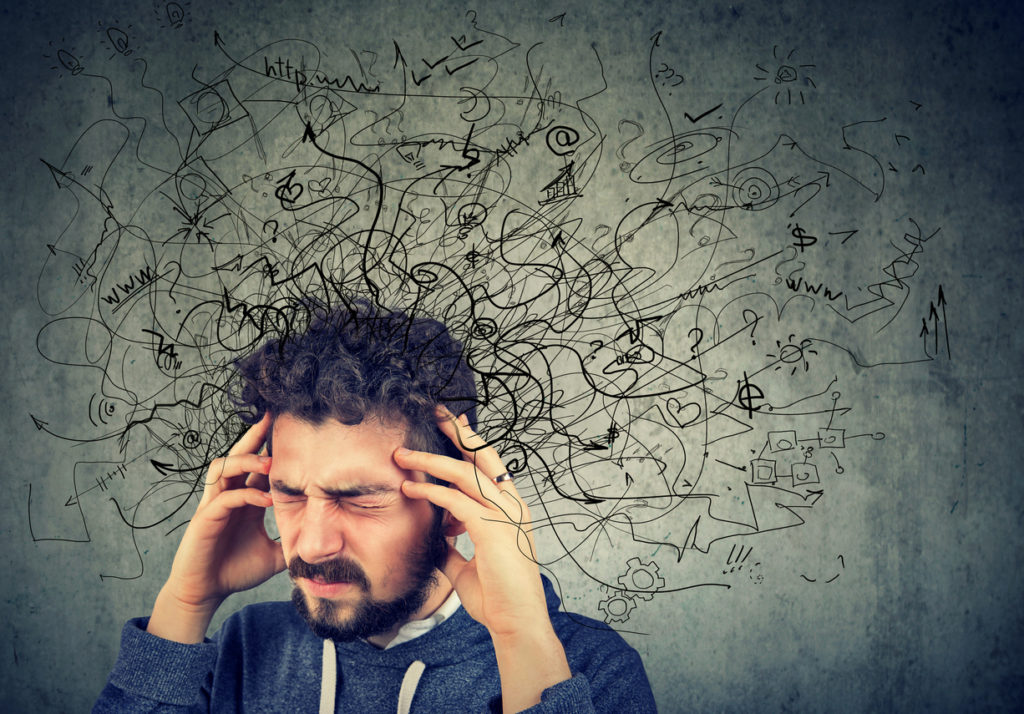
Anxiety is a universal feeling and is something we can all relate to at one time or another. Anxiety is the pit in your stomach that you feel the night before a big exam or it can be those shaky legs you experience just before giving a presentation. Anxiety is unavoidable and designed for our survival and protection. If we didn’t have a certain amount of anxiety, we wouldn’t bother to look both ways before crossing the street. But since we are wired to be concerned about not being hit by a bus, we continue to look both ways before stepping into oncoming traffic. Most symptoms of anxiety are time limited and situational. However, some people seem to have a disproportionate amount of anxiety that interferes with their quality of life. There are many different types of symptoms and no two people experience anxiety in the exact same way. Anxiety symptoms can surface in feelings, thoughts, or physical symptoms. Anxious Feelings: For some people, anxiety shows up in how they are feeling. Maybe it’s a sudden feeling of panic that comes out of nowhere, or an overall feeling of nervousness, fear, or constant worrying. Others report that they feel a sense that something bad is about to happen. Other anxiety feelings include the feeling of being “on edge,” tense, or unable to relax. Anxious Thoughts: Sometimes anxiety symptoms are more focused on thinking. Having a difficult time staying on task or concentrating is one example. Other anxiety thought symptoms include fears of looking foolish, fears of being alone or abandoned, fears that you are going “crazy,” or fears of being criticized/judged by others. Being “stuck in your head” and unable to calm the thoughts is a good way to summarize anxious thinking. Physical Symptoms: Anxiety can be downright scary when the symptoms take on bodily sensations. Some people have many physical symptoms and do not realize that what they are experiencing is anxiety. Having a racing heart or feeling your heart pounding is one such example. Others include: having tight tense muscles, feeling dizzy or lightheaded, sweating when it’s not hot, restlessness or jumpiness, and/or becoming easily tired, weak, or exhausted. Whether you are experiencing symptoms of anxiety in feelings, thoughts, physical symptoms, or all of the above, the good news is anxiety is treatable and manageable. As a therapist who regularly works with individuals seeking treatment for anxiety, we will work together to figure out where it is coming from and how to find relief.

The Many Symptoms of Anxiety Read More »

Every Person’s Bill of Rights

One of my favorite focuses in counseling is assertiveness training. Many people do not realize that a lack of healthy assertiveness is often at the root of their issues. The first step towards obtaining a healthy balance of assertiveness is learning how to believe in yourself. Provided below is a “Personal Bill of Rights.” Believing in these rights, and in turn, yourself, may just be what it takes to engage in a whole new world of self-love, self- confidence, and healthy assertiveness. Personal Bill of Rights: 1. I have the right to change and grow. 2. I have the right to be healthy. 3. I have the right to make mistakes. 4. I have the right to say “no,” “I don’t know,” I don’t understand, or “I don’t care.” 5. I have the right to expect honesty from others. 6. I have the right to live by my own standards and set of values. 7. I have the right to change my mind. 8. I have the right to be respected. 9. I have the right to not take responsibility for others’ actions, feelings, or behaviors. 10. I have the right to be in a non-abusive environment. 11. I have the right to have my needs be as important as the needs of others. 12. I have the right to do things that others might not approve of. 13. I have the right to ask for help 14. I have the right to be myself. 15. I have the right to be happy.

Every Person’s Bill of Rights Read More »

Our Relationship Just Suffered an Affair. Now What?

For some the answer is simple. “I’m done, I’m outta here, and there is no way I will ever trust you again.” That is a perfectly acceptable decision, you know yourself best. Some vow, “If you ever cheated on me, I’d be gone,” but then somehow after it happens they suddenly find themselves rethinking that original proclamation. For those people, the bottom line is it’s not always so easy to walk away, and it’s also not so easy to stay together. Either decision will be a challenging, emotional, and considerable healing journey towards recovery. It’s a personal decision that each person or couple needs to make on their own. Well-meaning friends and family will give advice on what they believe you should do, but no one walks in your shoes except you. Part of a counselor’s job when working with clients after an affair is to help sort through the plethora of emotions that can range from anger, rage, sadness, shock, loneliness, regret, guilt, shame, and hopelessness, sometimes all occurring simultaneously. Most report feeling as if they are on an emotional rollercoaster. There are different ways to handle the decision of what to do next. As your therapist, I will sometimes see one person individually. This is usually to assist an individual who isn’t certain about which way to go. We would work together until clarity is obtained. Other times I work with the couple together to process what happened, and decide if rebuilding is possible or even desired. If the decision is to repair the relationship, the first step is to figure out what went wrong and take it from there one day at a time. There are so many factors to consider when faced with this type of adversity in a relationship: length of relationship, if there are children involved, relationship history, level of commitment, religious beliefs, previous affairs, just to name a few. I have worked with couples who have repaired severely fractured relationships and others who have decided it best to go separate ways. I’m here either way to assist in making the process as painless and amicable as possible.

Our Relationship Just Suffered an Affair. Now What? Read More »

Rebuilding Relationship is Possible After Substance Abuse

When one part of a couple is struggling with addiction, the other part of the couple is struggling with the effects of addiction.  Both parties are struggling, but in different ways.  Unfortunately, this can lead to couples becoming disconnected, primarily focused on their own pain and frustration. Fortunately, there are ways to turn this pattern around and learn how to reconnect.  This is accomplished by improving several key elements of the relationship:  Communication and empathy; boundaries and trust; and emotional healing. In this situation, communication is not about talking, but instead it is about learning how to listen.  By taking a non-judgmental stance and becoming truly engaged in learning about the other person’s struggles, fears, and weaknesses, empathy can be enhanced.  One way to practice this improved communication skill is by asking questions about your partner’s inner struggles in a calm and supportive tone.  The goal is to learn something new about your partner that you had not considered. Boundaries are important in every relationship, but are especially important for couples recovering from the effects of addiction.  It is essential to get in touch with your own sense of self.   For example, ask yourself, “What do I stand for,” and equally as important is the question, “What won’t I stand for?”  Be specific, communicate with each other, and spell it out so there is nothing left to question. Having firm boundaries in place allows trust improvement that is measurable to both parties.  When trust is improved, the relationship is improved. When it comes to emotional healing, remembering to have fun together is key.  A healthy dose of laughter, spending time together doing new things, or revisiting something that you used to enjoy as a couple, can all be ways of upping the fun factor.  Even when there has been a lot of damage, having fun together as you rebuild can go a long way towards overall couple improvement. In some cases, individual counseling for each person is recommended until a certain level of stability has been accomplished.  Other times, couples counseling is suggested to help reach mutual goals that have been established by the couple.  Either way, a therapist can guide you through the ups and downs of finding a new normal in your relationship.

Rebuilding Relationship is Possible After Substance Abuse Read More »